
Now that fuel prices have come back down to Earth. I’m going to talk a little bit about some common questions I get from people here at the dealership. There are lots of myths about how to save gas, and I want to try to dispel some of them.
Does filling up before your car is empty help stop with fuel evaporation?
While it’s never a good idea to run your vehicle down to the ‘E’ (because no one likes running out of gas), filling up before it gets there doesn’t stop evaporation from happening. Modern cars have vapor recovery systems that stop the fumes from escaping your tank. Nowadays, just about any car you drive will trip the check engine light if your gas cap is not securely fastened or missing. You can fill up your gas tank with any level of fuel already in the tank and not notice a difference.
Does a manual get better gas mileage than an automatic?
This is a tough one to answer. A skilled driver who can control the engine with precision and times their shifting perfectly can get better mileage than an automatic transmission, yes. However, a normal, everyday driver who does not pay particular attention to those details will waste gas by shifting too late or over-revving the engine. Automatic transmissions have come a long way and are more efficient than ever, which leads to less gas wasted.
Should I fill up my gas tank when it’s cooler?
The theory behind this myth is that when a liquid is cooler, it’s denser, meaning you get more fuel for the money. Good theory, but bad practice. The gas you buy from a gas station stores their fuel underground, insulated from the elements, where there is little temperature variation. Purchasing gas in the morning, when it’s cooler will have no noticeable effect on your wallet.
Do you have any fuel myths you want dispelled?


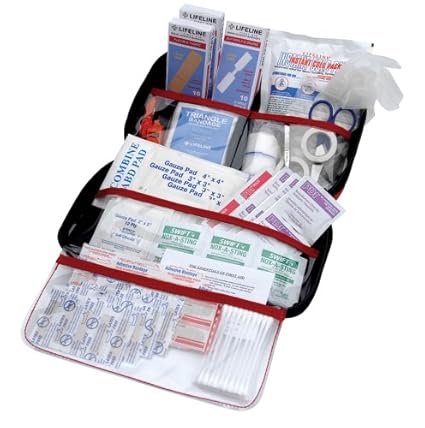
 2. A jumpstart battery
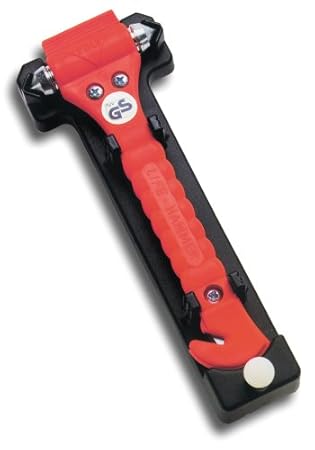 3. The Lifehammer

 Our cars are machines. Those machines are dependent on the fluids we put in it. Oftentimes, we neglect to check or change fluids when needed. On average, our cars have 9 different types of fluid that is required for our cars to continue running at its optimal output. I’ve put together a handy guide as a reminder to check these fluids. These are all averages, not every car is the same, so be sure and check your owner’s manual for specifics regarding your vehicle. If you cannot find your owner’s manual, I have found a resource that will allow you to
  Winter is the season for the holidays. Families getting together and enjoying each other’s company is a common theme throughout the winter season. Unfortunately, so are potholes. Snow, cold temperatures, and rain all contribute to these unsightly and dangerous road hazards. They may not look like much, but those craters in the roadway are dangerous, not only to your driving, but to your car. How many times have you driven over a monster pothole and though to yourself, “Something just broke on my car!”? Next time you ask yourself that, remember these warning signs to see if something actually DID break.
