Notice: Function _load_textdomain_just_in_time was called incorrectly. Translation loading for the wp-rss-aggregator domain was triggered too early. This is usually an indicator for some code in the plugin or theme running too early. Translations should be loaded at the init action or later. Please see Debugging in WordPress for more information. (This message was added in version 6.7.0.) in /home/inthedri/public_html/wp-includes/functions.php on line 6170 Ozzie, Author at - Page 27 of 73 Deprecated: Function WP_Dependencies->add_data() was called with an argument that is deprecated since version 6.9.0! IE conditional comments are ignored by all supported browsers. in /home/inthedri/public_html/wp-includes/functions.php on line 6170
By a show of hands, how many of you have changed your cabin air filter in the last 15,000 miles? How many of you even know that your Buick or GMC even had a cabin air filter? I’ll be honest, I have the guys here at Freeman Grapevine change my filters and take car of my vehicle including my cabin air filter. However, it’s not very had to do, in fact you can easily do it yourself.
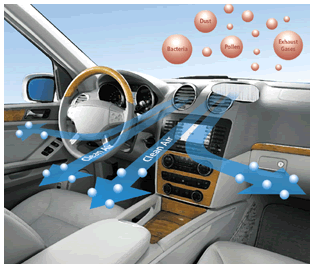
Again, many car owners probably don’t even know that a cabin air filter even exists, let alone that it needs to be changed. Just like at home, the air filter is an essential part of your ventilation system that removes pollutants from the air before you breathe them in. Years ago, they were designed to prevent solid particles like soot and dust from circulating in your car. Today with the advancement of technology, air filters also can absorb gases and odors. You may have heard cabin air filters referred to as dust filters, interior ventilation filters or even pollen filters.
Unfortunately air pollution is a fact of life. If you drive often, and perhaps mostly on major highways during rush hour, without the air filter, you will breathe air that contains exhaust fumes, dust and soot, which obviously isn’t good for your health. The air filter prevents those pollutants from entering your Buick or GMC, and allows you to breathe cleaner air.
Watch this video which explains more about car cabin air filters and why & how they’re changed.
If you still aren’t sure how to change your cabin air filter. Just swing by Freeman Grapevine and we can help you out.
OK. So you put it off long enough. Freeman Grapevine thinks it’s time to fulfill a resolution you should have fulfilled a long time ago. Learning to drive a stick shift. That’s right car enthusiasts, there really are some people out there that still don’t know how to use a clutch, pending they even know what a clutch is. If this is you, there’s nothing to be ashamed of. The only shame is not learning.
I will admit that I didn’t always know how to drive a manual transmission. It was pretty entertaining at 28 years old to finally be learning how to drive a manual transmission and someone younger than you is teaching you how to do it. Not to mention the fact that I dumped the clutch probably 5 or 6 times before I got the hang of it. I was so close to giving up it wasn’t even funny. I stuck with it cause I knew I needed to learn. I had a lot of friends and family that drove cars with manual transmissions and I kept wondering what would happen if for some reason one day they were hurt and I had to drive their car. What would I do? So as you can see it was mandatory that I learn how to do that.
Have you learned yet?
I found this great video on how to teach yourself how to drive a manual transmission and I think it is very helpful.
Driving a car with manual transmission requires a good balance between engine power and the throttle, as the clutch is pressed to disengage the engine power during gear shifts, and it is gently released while the gas pedal is pressed.
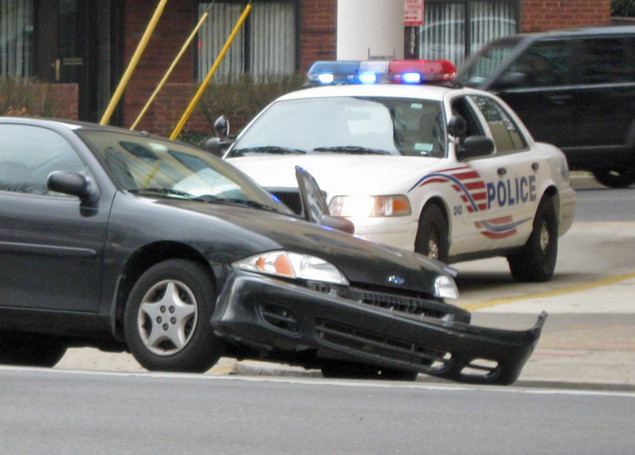
If you are one of these unfortunate people, will you know what to do in the aftermath of a collision? How you react can prevent further injuries, reduce costs and accelerate the clean-up and repair process. Auto accidents take a tremendous toll on everyone involved, both financially and emotionally. If you’re one of the lucky ones who have thus far avoided a serious accident, hopefully the tips on prevention will help keep it that way. The chances are high, though, that at some point you will be involved in a minor accident. Just keep your head and make safety your primary concern. You’ll have plenty of time to deal with the consequences later.
I found some more information below at Edmunds.com.
1. Keep an Emergency Kit in Your Glove Compartment. Drivers should carry a cell phone, as well as pen and paper for taking notes, a disposable camera to take photos of the vehicles at the scene, and a card with information about medical allergies or conditions that may require special attention if there are serious injuries. Also, keep a list of contact numbers for law enforcement agencies handy. Drivers can keep this free fill-in-the-blanks accident information form in their glove compartment. The DocuDent™ Auto Accident Kit ($19.95), supported by AAA and insurance companies, offers a comprehensive kit that includes a flashlight, reusable camera and accident documentation instructions. A set of cones, warning triangles or emergency flares should be kept in the trunk.
2. Keep Safety First. Drivers involved in minor accidents with no serious injuries should move cars to the side of the road and out of the way of oncoming traffic. Leaving cars parked in the middle of the road or busy intersection can result in additional accidents and injuries. If a car cannot be moved, drivers and passengers should remain in the cars with seatbelts fastened for everyone’s safety until help arrives. Make sure to turn on hazard lights and set out cones, flares or warning triangles if possible.
3. Exchange Information. After the accident, exchange the following information: name, address, phone number, insurance company, policy number, driver license number and license plate number for the driver and the owner of each vehicle. If the driver’s name is different from the name of the insured, establish what the relationship is and take down the name and address for each individual. Also make a written description of each car, including year, make, model and color — and the exact location of the collision and how it happened. Finally, be polite but don’t tell the other drivers or the police that the accident was your fault, even if you think it was.
4. Photograph and Document the Accident. Use your camera to document the damage to all the vehicles. Keep in mind that you want your photos to show the overall context of the accident so that you can make your case to a claims adjuster. If there were witnesses, try to get their contact information; they may be able to help you if the other drivers dispute your version of what happened.
5. File An Accident Report. Although law enforcement officers in many locations may not respond to accidents unless there are injuries, drivers should file a state vehicle accident report, which is available at police stations and often on the Department of Motor Vehicles Web site as a downloadable file. A police report often helps insurance companies speed up the claims process.
6. Know What Your Insurance Covers. The whole insurance process will be easier following your accident if you know the details of your coverage. For example, don’t wait until after an accident to find out that your policy doesn’t automatically cover costs for towing or a replacement rental car. Generally, for only a dollar or two extra each month, you can add coverage for rental car reimbursement, which provides a rental car for little or no money while your car is in the repair shop or if it is stolen. Check your policy for specifics.
Remember, accidents happen. Keep you cool. You can’t undo what has just happened, so there’s no reason to be unruly or be aggressive towards the other person who share in your misfortune.
If you have been in a car accident, and you need any repair work done, you can always call Freeman Grapevine. There’s no shortage of cars on the roads these days and that means there’s not shortage of accidents, as well.
At Freeman Grapevine, we are always wanting to save you money. There is a lot of expense that goes into owing a car, fuel being a big one. Even if you don’t own a hybrid or an electric, you can do your part in reducing your emissions. I know these things get hard to remember sometimes and without seeing the direct effects of your emissions, you probably don’t give this stuff much second thought. I found a list on the Consumer Reports car blog that might help remind you. It explains that there are still ways you can drive responsibly and make less of a carbon footprint with your new car.
No idling. A number of schools across the country have instituted a no idling rule to reduce children breathing in exhaust, but you can stop unnecessary idling every day. There is no need to warm up your car or keep your car running while waiting for passengers. The general rule-of-thumb is to turn off your car if you know you’ll be stopped for more than 30 seconds. Stopping idling helps air quality, saves gas, and reduces pollutants.
Keep your tires properly inflated. In our tests, we found fuel economy is reduced when tires are not inflated to where they should be. Do this when the tires are cold (before the vehicle has been driven or after no more than a couple of miles of driving). Use the inflation pressure recommended by the vehicle’s manufacturer, not the maximum pressure embossed on the tire’s sidewall. The recommended pressure is usually found on a placard on a front doorjamb, in the glove compartment, or in the owner’s manual.
Slow down. Slowing from 75 to 55 mph boosted gas mileage 33 percent in testing performed on a family sedan and a large SUV.
Combine trips. Avoid making multiple short trips or try to combine all errands into one trip. If you can, avoid rush hour as sitting in traffic burns more gas and emits more pollutants.
Drive light. Reduce the amount of cargo you have in your vehicle–clean out all the useless junk in the trunk–and take off your roof rack when you’re not using it. This will lighten your load, reduce drag, and aid fuel economy.
Ride share. Carpool to work or ride with other families to school or sporting events. Better yet, ditch the car altogether and use public transportation or bike/walk to do errands or get to work.
Does anyone else have any useful suggestions? Your Dallas Buick Dealer, Freeman Grapevine would love to hear them.
In this economy, Freeman Grapevine wants to make sure that you have insurance that is reliable yet affordable. And if you have a good driving record with no recent accidents, you should see some discounts on your car insurance.
These discounts may not happen immediately, but over time you should see a reduction in your rates.
Several insurance companies are taking performance monitoring to the next level. With the installation of an opt-in diagnostics system that communicates with on-board sensors, insurance providers can monitor driving in real time, and offer lower rates to drivers with proven safety records. Specifically, the devices measure average speed, braking speed, and total time behind the wheel.
For drivers that are below average in these areas, a discount will be rewarded after a month. Discounts can range up to 30% from certain insurers, which can provide significant relief for fiscally challenged motorists. In most states, the devices can lead to never having higher insurance rates. Furthermore, the program is completely voluntary, with an option to cancel at any time. The devices do not include GPS, so a driver’s privacy is maintained while using the system. [Source: Motorology]
I hope that you do have a good driving record. If you do then you should shop around for the best quotes. The lowest quote does not necessarily mean the best insurance for you. Make sure they have the coverage you will need.
If you are planning to buy a new car soon, now is a good time to call around for your best quotes on a Buicks, GMCs and Used, or you can just come and check out Freeman Grapevine.
As a Texas GMC Dealer, one of the biggest concerns with my customers is how they can get the most mileage out of their cars gas tanks. Now there are a lot of car myths out there that we need to wade through. We’ve all heard them… whether it’s from a family member, a friend or John Doe. These “tips” have been around for ages, and that’s exactly the problem with most of them. They’ve been around for ages! For now, let’s focus on gasoline myths. Here are two of my favorites.
Running on Empty
Myth: Once your gas gauge hits empty, you have at least one more gallon of gasoline.
Reality: Most cars actually have about two gallons in their tanks when the gauge hits empty! This myth is actually true! Though we’d like to think that car manufacturers did this to be helpful to those of us who seem to always find themselves running on E with no gas station in sight, it’s really just a marketing ploy. Have you ever noticed how your gauge seems to stay on the full side much longer than it does on the empty?
National auto writer Paul Duchene said,
“Gas gauges aren’t linear. They are set up so they actually stay on ‘full’ for a long time, mosey on down to half, then plunge quickly to about a quarter, then gradually make their way down to zero, at which point you have about two gallons left.”
However, running on empty is definitely not something you should do on a regular basis… especially in the summertime.
Premium Gas Pays for Itself
Myth: Use only the best gas and your car will need fewer tune-ups and get better mileage.
Reality: The only think that using regular gas could cost you is a few extra horsepower at high speeds. But the odds are, you aren’t going to notice anyway. Most engine fuel-management systems are perfectly prepared to handle lower-octane fuel.
“The difference between 87 and 93 octane is so insignificant that you will realize neither better mileage nor fewer maintenance bills by buying supreme,” said Duchene. “It makes no difference unless the car is supercharged or it is absolutely specified that it needs higher octane.”
Check out the video below for a few more hints on saving at the pump:
httpv://www.youtube.com/watch?v=8rsx6IrEJuw
Have any other tips? I’d love to hear them, swing by your Texas GMC Dealer, Freeman Grapevine and let’s talk about how you can save more at the pump.
This Dallas GMC Dealer never really thought about this until a recent survey I saw. Apparently the “honeymoon period” for a man and his car is four months, compared to 14 months for women. Most men consider the honeymoon over when they start parking their car around other cars, women when they let their spouses drive.
The survey below was completed by LeaseTrader and is the result of speaking with 2,500 drivers about when their car goes from “Hey everybody, check out my new car!”, to “Man, I really want a new car.” Of course, there are those flashes when you remember what it was like when it was brand new…but when you have your eye on a new car, those flashes become increasingly more rare.
Here’s the full list of what men and women consider to mark the end of the honeymoon period:
Men:
Parks around other cars (33%)
Starts transporting sports equipment (22%)
Less frequent car cleaning (17%)
High-payment starts to bother them (12%)
Stops using gas mileage button (7%)
No more fights over who drives during long trips (3%)
Other (6%)
Women:
Lets spouse finally drive car (39%)
Starts car-pooling other kids (24%)
Started eating in car (12%)
Puts makeup on while driving (9%)
Leaves clothes in car (6%)
Starts smoking in car (2%)
Other (8%)
Tell Freeman Grapevine who you think loves their cars more, Men or Women?
Here at Freeman Grapevine, we like to think of ourselves hyper-concious about the any “footprints” our Dallas Buick dealership can potentially leave on our environment. Take your car battery, for example. When most green-minded folks think about being stewards of our planet, they’re more likely to have visions of planting trees and cleaning streams than pondering their car battery’s place in the universe. Understandable…there’s a lot you may not know about your new car’s battery.
First, your new car’s battery is highly toxic, being made up primarily of lead, acid, and plastic. But the good news is they’re also highly recyclable, and old ones usually end up getting turned into more batteries.
According to the industry trade group Battery Council International:
More than 97 percent of all used battery lead is recycled into new batteries. When compared to the 55 percent of aluminum soft drink and beer cans, 45 percent of newspapers, and 26 percent of glass bottles that BCI says get recycled, batteries start looking pretty green. In fact, lead-acid batteries top the list of recycled consumer products.
In addition to recycling the lead, the plastic cases are melted down and used to make new ones. The acid, they say, can even get turned into sodium sulfate, a powder used in glass, detergents, and textiles. Alternatively, some recyclers neutralize the acid, turn it into water, and release it into the public sewer system once it is cleaned and tested.
While that last part may sound a little scary, it’s still better than batteries ending up in a landfill, an incinerator, or by the side of the road.
httpv://www.youtube.com/watch?v=UWvZ4BA_ylg
The BCI Web site lists 44 states that prohibit disposing of old car batteries in landfills and incinerators. Nearly 40 of those states also require retailers and distributors to collect used batteries from consumers for recycling. (Go to www.batterycouncil.org to see the details for your state.)
When shopping, your best bet is to find a Dallas Car dealer that will install your new one for free and recycle the old one for you. If there’s a charge for installation, make sure to find out what it is before making a purchase.
Recycle, recycle , recycle…If you want any more info, don’t hesitate to leave a comment or give me a call.
It seem that debunking myths has become one of my favorite things to do lately. If you’ve kept up with Dallas GMC Dealer, Freeman Grapevine, you know that I’ve touched on gasoline myths and electric car myths recently. In continuing with this little series I’ve started, I want to share my favorite cars myths of all –maintenance myths. I think these are my favorite because they are the most common. They’re also the most important because you may think you are doing what’s best for your car when in reality, you might be compromising your safety and your wallet. That being said, let’s not waste anytime.
Maintenance Myths
Myth: Engine oil should be changed every 3,000 miles. Reality: Despite what oil companies and quick-lube shops often claim, it’s usually not necessary. Stick to the service intervals in your car’s owner’s manual. Under normal driving conditions, most vehicles are designed to go 7,500 miles or more between oil changes. Changing oil more often doesn’t hurt the engine, but it can cost you a lot of extra money. Automakers often recommend 3,000-mile intervals for severe driving conditions, such as constant stop-and-go driving, frequent trailer-towing, mountainous terrain, or dusty conditions.
Myth: Inflate tires to the pressure shown on the tire’s sidewall. Reality: The pounds-per-square-inch figure on the side of the tire is the maximum pressure that the tire can safely hold, not the automaker’s recommended pressure, which provides the best balance of braking, handling, gas mileage, and ride comfort. That figure is usually found on a doorjamb sticker, in the glove box, or on the fuel-filler door. Perform a monthly pressure check when tires are cold or after the car has been parked for a few hours.
Myth: If the brake fluid is low, topping it off will fix the problem. Reality: As brake pads wear, the level in the brake-fluid reservoir drops a bit. That helps you monitor brake wear. If the fluid level drops to or below the Low mark on the reservoir, then either your brakes are worn out or fluid is leaking. Either way, get the brake system serviced immediately. You should also get a routine brake inspection when you rotate the tires, about every 6,000 to 7,000 miles.
Myth: Flush the coolant with every oil change. Reality: Radiator coolant doesn’t need to be replaced very often. Most owner’s manuals recommend changing the coolant every five years or 60,000 miles. Of course, if the level in the coolant reservoir is chronically low, check for a leak and get service as soon as possible.
Myth: After a jump-start, your car will soon recharge the battery. Reality: It could take hours of driving to restore a battery’s full charge, especially in the winter. That’s because power accessories, such as heated seats, draw so much electricity that in some cars the alternator has little left over to recharge a run-down battery. A “load test” at a service station can determine whether the battery can still hold a charge. If so, some hours on a battery charger might be needed to revive the battery to its full potential.
Myth: Let your engine warm up for several minutes before driving. Reality: That might have been good advice for yesteryear’s cars but is less so today. Modern engines warm up more quickly when they’re driven. And the sooner they warm up, the sooner they reach maximum efficiency and deliver the best fuel economy and performance. But don’t rev the engine high over the first few miles while it’s warming up.
Myth: Dish washing and laundry detergents make a good car wash. Reality: Detergent can strip off a car’s wax finish. Instead, use a car-wash liquid, which is formulated to clean without removing wax.
Heard of at least one of these before? I knew it. I’m sure some of you may be in shock right now realizing that all of you’ve known about DIY car maintenance has been wrong, but don’t fret Freeman Grapevine has you totally covered. You should never hesitate to give us a call with any car maintenance questions or any questions about cars in general. After all, we want to ensure your car lives the longest and healthiest life that it can.
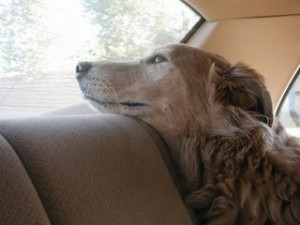
With Summer temperatures recently reaching over the 100 degree mark all across Texas, our cars are easily reach temperatures of 150 degrees or more. That’s hot enough to melt plastic and is certainly not an environment for your pets to be in.
I don’t like the fact that I have to write articles like this, but every year it seems that Texas drivers and pet owners need a reminder. It pains me…strike that…INFURIATES me when I see dogs left in cars by themselves. First off, your dog’s temperature is already roughly 100.5°F to 102.5°F. In order for them to diffuse heat, they have to pant and cool the blood flow through their tongue since they have no sweat glands and do not perspire. As if that isn’t enough, they are wearing a fur coat!
What many people don’t know is that even on moderately cool days, the temperature inside a car can be fatal. Even when its only 70 degrees outside, in just one hour, the temperature inside a car can soar to over 110 degrees, and cracking the windows doesn’t really help.
If you think that your four-legged friends would be “OK” for a few minutes as you ran in to a store, think again. In fact, don’t think about it. Go ahead and sit in your car with no air running for 10 min. and then see if you feel the same way. I’ll even let you crack the windows. Sweat much?
No one is immune to catching a case of “the stupids”. You may think it will only take a few minutes to grab those groceries or chat with a friend, but that few minutes can translate into life threatening heat exhaustion for your best friend:
Symptoms of Heat Stroke
If your dog has heat stroke he will progressively show these signs:
Excessive panting;
Pale gums, bright red tongue;
Disorientation and your dog doesn’t respond to his name;
Increased heart rate;
Thick saliva;
Vomiting;
Breathing difficulties;
Collapse;
Coma;
Death
httpv://youtu.be/Rpqqmv5Puhg
Dogs Prone to Heatstroke
Young puppies and older dogs;
Overweight dogs;
Dogs with an existing illness or recovering from illness or surgery;
Dog breeds with short faces – Bulldogs, Shar pei, Boston Terriers, Pugs – have narrow respiratory systems that easily get overwhelmed in hot and humid conditions;
Double coated breeds such as Chow Chows; and
Dogs bred for cold climates such as Malamutes, Huskies and Newfoundlands.
If you suspect that your dog may have heat stroke:
Make sure your dog is out of the sun and has access to water but don’t let him drink too much.
Cool him with cool/tepid water – either immerse him in a bath, gently hose him or apply cool towels to his body. Importantly do not leave wet towels on your dog and do not use very cold water – both prevent your dog form being able to cool himself.
Move your dog to an area where there is cool air circulating, such as an air conditioned room or stand him in front of a fan. The cool circulating air will help your dog to reduce his temperature.
Remember, your dog can’t tell you that he is uncomfortable, so you’ll have to use common sense. Under no circumstance should you leave your dogs unattended in a car. Regardless of how hot you believe you car will “actually” get, you are going to be wrong. Then you will be left with a tragedy that is not only emotional, but quite possibly legal as well. You will get fined for endangering an animal by leaving them in a hot car, or could even be arrested for animal cruelty if they die.
Keep your pups safe, keep them out of your hot vehicles. If you have any comments, questions or advice, leave a comment below or see me at Freeman Grapevine!
 By a show of hands, how many of you have changed your cabin air filter in the last 15,000 miles? How many of you even know that your Buick or GMC even had a cabin air filter? I’ll be honest, I have the guys here at Freeman Grapevine change my filters and take car of my vehicle including my cabin air filter. However, it’s not very had to do, in fact you can easily do it yourself.