Category Archives: Maintenance and Service

How To Evaluate Your Shock Absorbers

Okay, Dallas Fort Worth, how do you know when  you need replacement shocks? The rule of thumb is every 50,000 miles, but it could be sooner, or even later. Your shock absorbers are an often overlooked but vital aspect to your Freeman Grapevine Buick, or GMC.

Checking your shocks is actually a very simple thing to do. In fact, it is something you can do yourself  fairly easily. Replacing shocks takes a little more technical “know how” and the right tools, but can also be done at home.

One way is by visual inspection. Inspect each shock absorber for fluid leaks, which show as dark stains in the road grime that collects on its body and mounting points. Examine the body for deep dents, and the piston rod for signs of pitting or rusting

How is your car handling while driving? For example, after hitting the bump does your new car, or truck continue to bounce up and down? If the answer is “yes”, then you will almost certainly need new shocks. Paying attention now, because shock absorber degradation may happen gradually and then worsen over time until. In fact, if you wait too long you can damage other parts and components of you car.

It is important to replace worn out shocks is because they are responsible for keeping your tires in contact with the road. Worn shocks will permit the tires to completely lose contact with the roadway. This can be especially dangerous if you hit a dip or a bump during a high speed corner. Good shocks will also help to minimize body roll, also very important during cornering.

If you think that your shock may be worn and just can’t figure it out on your own, swing by and we’ll take a look at them. Freeman Grapevine can recommend the right ones.
Bleed Your Brakes For Better Stopping Power

Have you noticed any difference in your braking power lately? If you’ve had your vehicle for a while, you may have noticed that your brakes just aren’t as responsive, or efficient as they used to be.  Does it feel that you have to use more pressure on the brake pedal, and the brakes may seem to take a little longer to catch?  If so, the reason for this is because the more you use your brakes, over time, bubbles of air may get into your brake lines, and this means that the brake fluid needed to cause your brakes to work is not getting to the brakes as effectively as before.

This can become a safety issue, leaving you less time to react to having to come to a fast stop, or worse, make your brakes useless while moving.  The best way to fix this problem is to bleed you brakes to get the air bubbles out of the system.  The National Motorists Association has a great walk through for brake bleeding.

Bleeding can be done several ways. The traditional two-man method requires one person to depress the brake pedal to the floor while the other opens the bleeder valve (there’s one at each wheel) to let fluid (and air bubbles) escape. Before the pedal is allowed to rise to its normal position, the second person must close the bleeder valve to prevent air from being sucked back in.

This process is repeated several times until all the air is gone.

During the process, the master cylinder must be kept topped off with fluid; otherwise, it can run dry and then you’ll just suck air into the system that way. Maintain the level at the “full” mark as you proceed.

Also: Be sure to close the lid on the master cylinder before you start pumping the brake pedal or you risk splashing everywhere. Be very careful with brake fluid because it will eat right through any paint it’s spilled on. It’s a good idea to cover the fender near the master cylinder with a rubber mat; something that won’t let any spilled fluid seep through to contact the paint. If you do accidentally spill any brake fluid on painted surfaces, stop what you’re doing and clean it up immediately. A spray-can detailer can save your car’s finish. Keep it handy.

Some mechanics like to attach a hose to the bleeder valve they’re working on, with the other end immersed in a container filled with brake fluid. This way, they can actually see the air bubbles — and when they stop coming.

This method also makes less of a mess, since you capture all the old fluid in your container instead of it squirting all over the floor.

Just be careful not to suck old fluid (and air bubbles) back into the system.

Do one wheel at a time; never open more than one bleeder valve at once.

Once you’ve purged all the trapped air from one wheel, move on to the next and repeat. The brake pedal should get firmer as air is removed from the system. Bleed the wheels in pairs — first the fronts then the rears. (Each set is paired and has its own separate fluid reservoir within the master cylinder.)

Having “soft brakes” can be a sign of potentially larger issues as well, so it’s best to have them looked at if you suspect you are having a braking issue. You are certainly welcome to follow the instructions above and attempt to bleed them yourself, however, not everyone may be comfortable  fixing the problem themselves, if  that is the case, then be sure to bring your Buick, or GMC to Freeman Grapevine as soon as possible.

https://www.flickr.com/photos/larrison/7851256906/in/photolist-cXMK9o-e3dqRf-4DTPUX-66AjNs-8o6YNr-7r2e3h-nQryNK-9vVNrR-d4h42b-ei7Nra-27cmyY-5qHNAa-8dTWYJ-fe1crk-9hg77T-btFxu4-gG21sA-bbgCWR-npXMPi-64H8Y9-ouuUeG-npXx9K-Bxi5X-7RmKZD-hkaxSG-8zqz7F-5Sm6ES-4DY5sJ-bMFEKX-88YLXw-51rhwY-8Km1ns-8fc6G6-kaZPsR-7yogXK-8KjhcP-dAcTw5-7yYuBu-d4h4F3-7rVHKv-9m5BhQ-azc9fg-6gELLY-9iP5vm-nBgvEB-9m2xAT-j8hAPp-cQLjs9-5zB9dr-8t26Tv

Ask Ozzie: The Gas Cap and The Check Engine Light

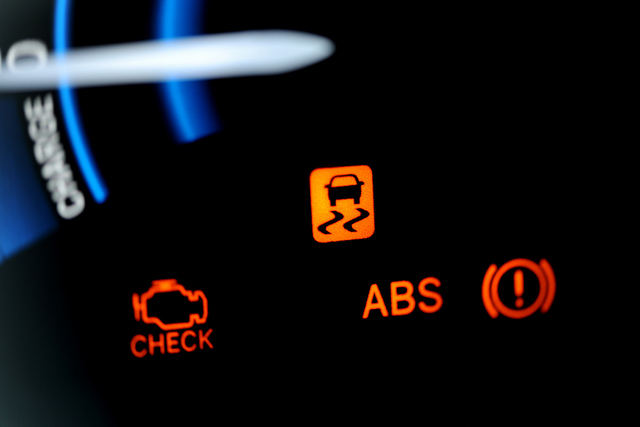
So, what’s the relationship between your gas cap and your check engine light? I have, on occasion had to field this question: “Does removing my car’s gas cap while the engine is running trigger my check engine light?”

It’s actually a question that has one answer in two parts. First, with many of today’s modern cars, trucks, SUVs and vans this is often true. The gas cap might be the culprit, but cause is escaping vapors. If the fuel tank is between one quarter and three quarters full and the engine is running, the car’s emissions monitoring system will illuminate the “Check Engine”, or “Service Engine Soon”, or “Malfunction Indicator” lamp (depending on the vehicle) if it detects fuel vapors escaping into the atmosphere. So, yes, removing the gas cap will often cause the system to think it has detected a vapor leak.

Now if you are certain that your gas cap is secured, then you could be looking at a myriad of issues. While this particular warning light can indicate a vapor loss from your gas tank, it can also mean you are having a completely different issue. That’s why when your “Check Engine” light goes off, it’s a good idea bring your car in to your local dealer who can do a thorough inspection, fix and find your issue and TURN OFF THAT LIGHT! I know you don’t want to see it anymore.

Here’s something else that you may, or may not know. If you go for your Texas Vehicle Inspection and this light is illuminated, they will not inspect your car. You should be getting it checked ASAP as to prevent any long term damage to your vehicle.

Just some more friendly advice from your Grapevine, Southlake, Keller Buick GMC Dealer.

Rotate Your Tires!

What is your service Achilles heel? Forgetting your oil change? Filling your fluids? Mine is tire rotation. I’m usually very good about keeping my car in good shape. However, since my schedule has been getting busier and my free time has been getting shorter some things just slip my mind…until I drive home for the day. “Shudder…Shudder…Shudder” my tires never forget to remind me they need rotating.
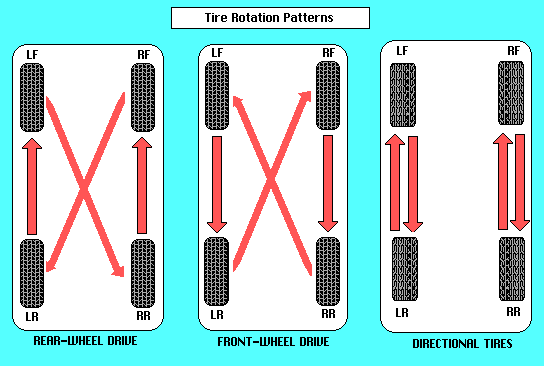
Everyday driving can affect the balance of your tires. The Video below explains how your tires can come out of balance and how routine inspections for tire rotation and balance can extend the life of your tires and increase your driving enjoyment.

httpv://www.youtube.com/watch?v=3nBzked-fpI

If you need you tires rotated, and I know you do, find the time to take it to the shop and have them done. If you are in the Dallas area, swing by and we can do it for you. Either way, just get them done, as it will greatly increase the life of your tires.

What’s One Of The Most Expensive Windows In Your Car

m41vFjTS9qp6g74jbwvcj3AOne would think that some of the smaller components, such as those little vent windows wouldn’t cost too much to replace…that is until you’ve actually broken one. Of course, everyone knows that there are many components of automotive glass on the car that will largely differ in cost. Lots of individuals don’t understand how much the tiny vent window on a new or used car in Dallas may cost to fix.

Here’s a scenario you may have experienced:

You’re running behind for the most important meeting of your life and after switching off your car, you grab the keys and put them on the passenger seat while you collect your notes. After this you hop out of the vehicle and click the lock button on the door prior to shutting it. As you are actually letting go of the door, you remember your keys sitting in the front…but it’s too late. The door slams and is now locked…with your keys inside. Now what? Call a locksmith? Nope, there’s no time. So you choose to break the small vent glass and take care of the cost later…after all, how much can that actually cost?

So your meeting is over and you now need to contact and arrange an replacement for that small vent window you decided was your key back into your car. Of course, after talking with the autoglass center, you find out that the little vent window you broke is one of the priciest parts of glass on your automobile. “D’OH”!

What people don’t understand is that the vent window might be small compared to the other glass on the car but it is not often mass produced like the windshield or door window. Quite often, the vent window will need to be special ordered which means the manufacturer will likely need to commit additional time to custom cut this piece of glass. The vent window normally consist of lots of curves which will also increase the time it will take to custom cut the window.

Therefore should you find yourself in a bind and feel you must break a window on your automobile then you should bust the door window rather than that small vent window. The vent window can ultimately cost you 2 or 3 times what it would cost to replace the door window. Sad but true.

Finding it tough to search for a windshield repair service center nearby? Hope is not dimmed yet, whether you are in Fort Worth, or Dallas come to your Texas GMC dealer with all your new and used car needs and let us help you today….and that includes choosing another way to retrieve your keys without breaking the bank.

Think You Have A Bad Fuel Pump

It should be fairly easy. If a car has a bad fuel pump, it will normally exhibit a loss of power, or it may not drive whatsoever. Discover how fuel pressure gauges are connected to an engine to determine if a fuel pump is bad with help from an ASE-certified technician in this free video on troubleshooting car problems.

httpv://www.youtube.com/watch?v=P9GLIm5l-H8

I think one of the most important tips comes at the end of the video. Sediment can and will collect at the bottom of your fuel cell. Avoid premature repairs by following the tip on the video and keep your tank at least a quarter of the way full at all times.

If you think you may have a fuel pump problem, please give us a call before your issue gets

How Do You Know You Have A Bad Fuel Pump


It should be fairly easy. If a car has a bad fuel pump, it will normally exhibit a loss of power, or it may not drive whatsoever. Discover how fuel pressure gauges are connected to an engine to determine if a fuel pump is bad with help from an ASE-certified technician in this free video on troubleshooting car problems.

httpv://www.youtube.com/watch?v=P9GLIm5l-H8

I think one of the most important tips comes at the end of the video. Sediment can and will collect at the bottom of your fuel cell. Avoid premature repairs by following the tip on the video and keep your tank at least a quarter of the way full at all times.

If you think you may have a fuel pump problem, please give us a call before your issue gets worse and could leave you stranded.

Ozzie’s Q&A: Air Filters

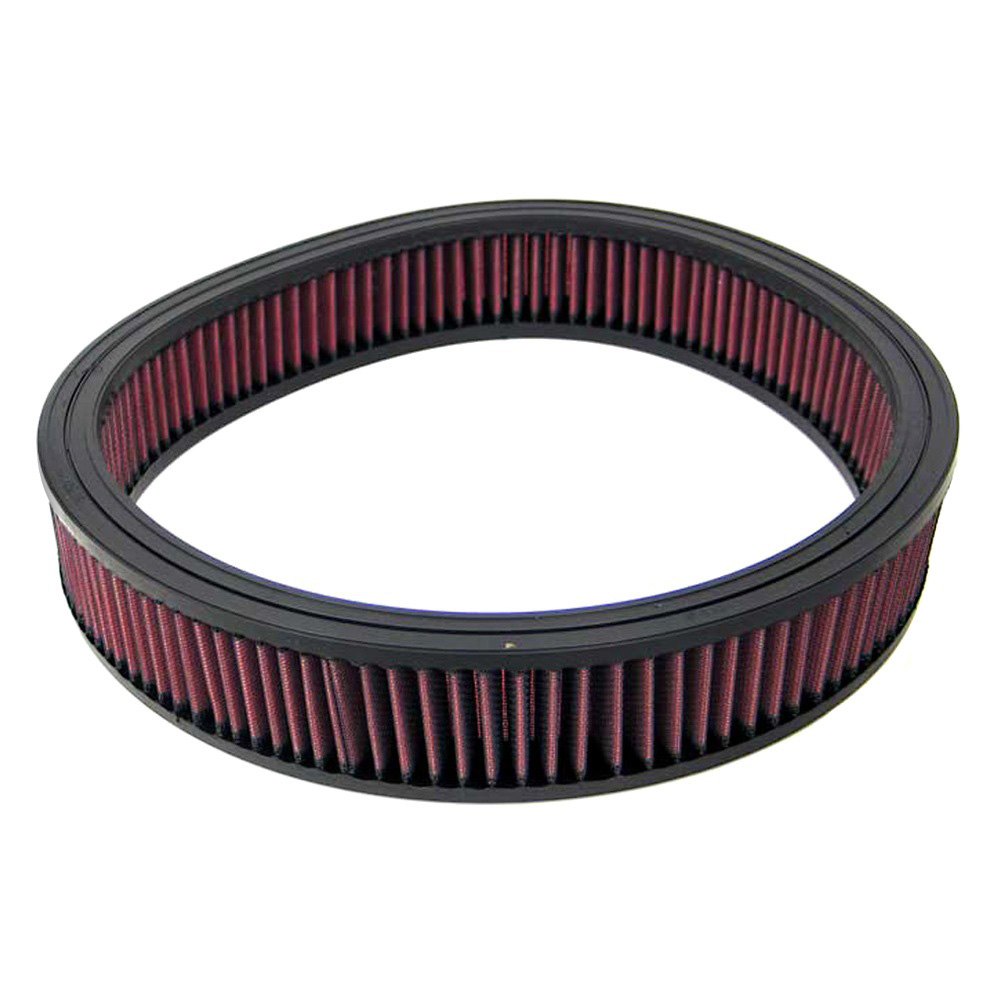
Photo Courtesy of CarID.com

Welcome to the newest installment of Ozzie’s Q&A! Air filters are a vital part that keeps your engine running at it highest capacity. By keeping a clean air filter, you prevent having to make expensive repairs on your investment. Here are a few questions I get on a regular basis, to help you understand exactly what it does and when you should get it replaced.

How does an air filter work?

Your vehicle’s engine requires oxygen for burning the fuel that you put in your gas tank. We all know that there’s particulate matter in the air we breathe, insects, pollution, pollen, you name it, it’s probably in the air. A quality air filter keeps these unwanted particles out of your engine. If you didn’t have an air filter, your engine efficiency would go down the tubes and you would have to be replacing parts on a regular basis.

What are the benefits of replacing an old filter?

Changing your air filter is helpful if you’re looking for better fuel efficiency because fresh air is integral to keeping your engine running smoothly. A new air filter can increase your fuel efficiency anywhere from 6-11% in some cases! Other benefits include a longer engine life, due to less stress on your engine and your engine emitting less pollution.

How often do I need to change my air filter?

Depending on the air filter, every 30,000 to 60,000 miles is an ideal interval to replace your disposable filters or thoroughly clean your reusable filters. Checking your air filter when you get your oil changed is a good idea, because you never know what can jam up your air intake.  Double check the filter manufacturer and set a reminder to replace it!

What kind of car questions do you have? Find us on Facebook and send us a question, maybe I’ll answer it on next week’s Q & A.

Signs That You Need To Replace Your Brake Pads

Photo Courtesy of kartekautomotive.com

Your ability to stop your vehicle is, quite possibly, the most important feature of your car. Can you imagine getting on a highway going 70 miles per hour and then realizing you had no brakes? That’s why keeping your brakes in working order should be at the top of your list of maintenance chores that never skip over. Here are a few ways to know when it’s time to get your brakes checked by a professional.

Pulsating Brake Pedal

When you push down on the brake pedal and your car begins slowing down, if you notice it pulsating, then they need to be looked at. Generally, pulsating brakes means your brake pad is warped due to heat or just plain worn out.

Clicking Noises

If you’ve started noticing a click when you approach a stop sign or red light, that means there’s something happening with your brakes. Car manufacturers install a anti-rattle device to stop that clicking sound when you depress the brake pedal. If it’s rattling, then something’s not right. Get it checked out.

Squealing Brakes

Modern brake pads have a small piece of metal attached to the side of your brake pads. They may look like an accident or that they don’t belong, but I assure you, they do. They are designed to emit a squeal when your brakes are nearing the end of their usable life. If you’ve started hearing high pitched squeals, then it’s time to bring it in and let us get you a new set of brake pads.

Also be sure to keep your brake fluid adequately filled. If you are constantly replacing your brake fluid, then you’ve got a leak and that means you’re probably putting undue stress on your brake pads (as if stopping your car wasn’t enough stress).

If you have a need to get your brakes checked, bring it by and let us check it out for you.

Ozzie’s Q & A: Shocks and Struts

Photo Courtesy of VehicleFixer.com

Hey guys and gals! I wanted to put together a compilation of some questions I get asked a lot. Working for a GMC/Buick car dealer for many years, I’ve learned quite a bit. So here’s a few questions I get asked on a pretty regular basis.

What’s the difference between a shock and a strut?

Both of them perform the same function, making your ride smoother, but struts are a little more complicated, therefore, more expensive, too. Struts are an essential component of your steering system as well as supporting a great deal of your vehicle’s weight. Some cars use struts, some use shocks, some use both!

When should I replace my shocks and struts?

If you purchase a cheaper set shocks or struts, they generally last anywhere from 30,000 to 50,000 miles, depending on how crazy of a driver you are. Higher quality shocks and struts are known to last from 50,000 miles up to 100,000!

How do I know when I need to replace my shocks/struts?

You may never notice a change in your car’s handling since it is a gradual decline. Have you ever seen a car driving down the road that hit a speed bump and bounced 3-4 times before finally evening out? More than likely, the driver has no idea that’s happening because it’s been such a gradual process, to them, their car drives like it always has. Excessive bouncing, leaning, swaying, vibrations, and scuffed areas on your tire threads are all good indicators of needing your shocks/struts replaced. Of course, we can always do that for you!

What kind of car questions do you have? Find us on Facebook and send us a question, maybe I’ll answer it on next week’s Q & A.