Category Archives: Maintenance and Service

New Car and Brake Safety…What to look for.

A lot of cars have been involved in accidents because of brake failures, one leading indicator is the feel of the brake pedal, so if your car pulls left or right when braking, or if the front end shakes, then these are definite signs of excessive brake wear. If the brake pedal in your new car begins to feel spongy, it could be a sign that air has entered the brake system or fluid is low. Do not ignore these warning signs!

httpv://www.youtube.com/watch?v=0PFiCV2BG2Y

A spongy brake pedal, together with a decrease in brake fluid, may also indicate brake wear, so when you check the brake fluid reservoir, make sure it’s topped off. If not, then brake fluid is most probably remaining at the wheel to fill the space caused by wear. Many vehicles purchased from car auctions experience this kind of problems because of being stocked for a long time in car garage or showrooms. Simply replacing the brake fluid and letting it flow throughout the wheel by pumping the brake pedal a few times before your run the used automobile helps in ensuring safety for you and your passengers.

Many new cars have ABS (Automatic Braking System) which initiates a rapid- fire pumping sequence to the brakes, keeping the car straight during sudden or hard braking. If the ABS light illuminates on your instrument panel, then it’s likely that the wheel sensors have detected excessive build-up of metal particles from the brake system. Most cars are designed to shut down the ABS when excessive particle build-up occurs, but a shutdown ABS does not prevent you from stopping, it just means that the ABS feature isn’t working.

Wheels should be pulled and brakes checked once a year by an experienced brake specialist. These guys have experts who can fit your new car with high quality, high performance braking components. Whether it’s used car or not.

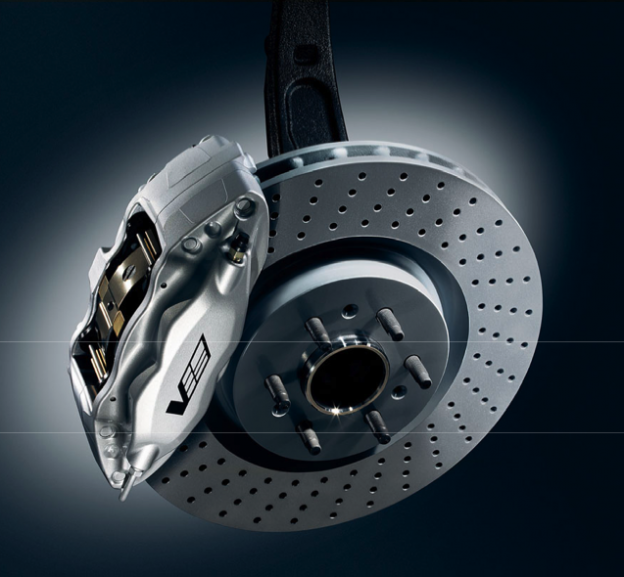
An inspection typically includes the rotors, calipers, drums, pads, pistons and brake lines. Brake systems should be flushed and brake fluid replaced every two years.

Brake fluid absorbs moisture in the system and becomes acidic after about two years. Check your owner’s manual or ask your technician to see what kind of brakes your car has and how they are adjusted. .

Remember, how and where you drive will greatly influence when your brakes must be replaced. If you have any questions about your brakes, come and see me.

How Much is Your New Car Worth in 5 years?

What I’m about to tell you is nothing you don’t already know. Buying a car is a “Catch 22” meaning, you have to have one, but for the most part, they are bad investments in terms of recouping your money. Their value isn’t really based on how much you can get for it when you want to sell it, but how much you get from it you while you own it. But of course, we want a good trade value for our old stuffs. Though old and used, we surely had bought it in a good price, so we also expect a better deal.

Well, I hate to break it to you, but unless your daily commuter is a high-end sports car or luxury suv, you aren’t going to recoup all of your money. No problem, we already knew this. So, what can you do to help add some value back into your vehicle? take a look at the video:

httpv://www.youtube.com/watch?v=EU6a5ffizkg

Have any other hints on keeping the value of your new car intact? Let me know!

A Great way to Improve Gas Mileage in Your New Car

The differences can be extreme

The average driver spends little time considering how an automobile engine works or even how important it is to protect it’s moving parts. They just get into their cars and drive. At the same time, most drivers do consider a vehicle’s fuel economy both when purchasing and driving. Some go to great lengths to find ways of improving gas mileage such as purchasing different exhaust and air intake products, fuel additives, and tires. With the only exception being the vehicle’s transmission, the engine is the most intricate and vital component of that car’s ability to be useful. It is also, often, the most expensive to repair. It’s internal components are subject to extreme heat and friction which wear on these parts over time. They are constantly exposed to temperatures nearing 200 degrees and moving thousands of times per minute. Even with regular servicing and preventative maintenance, the wear on these parts is inevitable and adversely affects an engine’s efficiency over it’s lifespan. It’s the efficiency of an engine which consumers often overlook when considering fuel economy.

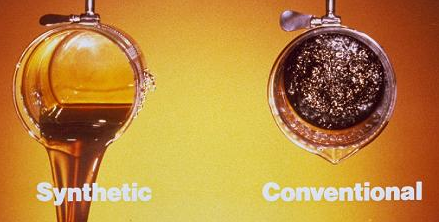
Synthetic oil, as compared to traditional petroleum based oils, has a stronger viscosity or stickiness. It also takes longer to break down in extreme temperatures and is less subject to evaporating. Substituting synthetic oils for traditional oils when servicing a vehicle protects these parts better and, in turn, leads to greater engine efficiency. It’s efficiency directly affects the amount of fuel being used or wasted in the combustion process. Therefore, one of the most considerable ways of improving gas mileage is to protect the efficiency of a vehicle’s engine over it’s lifespan with a synthetic lubricant.

httpv://www.youtube.com/watch?v=CiLkoRVL7BQ

With the rising prices of gasoline in our present day economy, a greater portion of the population is in need of finding practical ways to improve gas mileage. Using a synthetic oil for engine lubrication is one significant way a consumer can improve fuel economy and save a substantial amount of money over time. It will also better protect internal engine components longer which will save money in engine repairs and rental cars. It will protect one of the biggest and most important financial investments one can make in today’s society.

Keeping your New Car in Great Shape is Easy!

Well you did it! you finally bought that new car you were threatening to by for almost a year. Now you’ll just have to keep your new car in A1 condition to get the best out of it. Polluted and dirty engine oil, transmission fluid, and anti-freeze are going to cause problems for your car, and remember to check your brake fluid in the coming year. Brake fluid delivers force to various parts of the brake when you step on the pedal, you know it has to be topped up, but how often does it have to be changed?

Brake safety is a subject that I have touched on before in an earlier article and I wonder how many times you think about the fluids in your car. One of the paramount considerations that you must make as a responsible owner of a car, is the constant and consistent maintenance and servicing. I suggest you shop around and find an expert you trust to service and maintain your new car.

Below is more on Brake fluid from articlesbase.com

According to specialist mechanics, brake fluid, in the everyday family cars, becomes contaminated in less than two years. Brake fluid absorbs moisture, which works its way through the hydraulic system. Under heavy braking conditions, such as when towing a trailer, driving in a very hilly or mountainous area, the moisture in the overheated fluid vaporizes (boiling point of water is lower than that of brake fluid) and braking efficiency is reduced.

Not only is the fluid vulnerable to vaporizing, it also can freeze. Even under normal automobile driving conditions, this situation can develop if the brake fluid is seriously contaminated. It is necessary for brake fluid to maintain a stable viscosity throughout its operating temperature range. Being too thick or too thin causes impaired braking action. Beyond the vaporization hazard, moisture creates an additional problem for owners of vehicles equipped with anti-lock braking (ABS) systems. Corroded ABS components are very expensive to replace.

While you’re at it, ask  your tech about any other fluids that should be topped off or replaced, such as oil. Oil changes are important. Your mechanic is an oil change and lube expert. There are synthetic oils available, to better protect your engine and enhance your car’s performance, not to mention synthetic oil is resistant to heat and viscosity breakdown.

One of the most common mistakes you can make with your new car is to let things slide when it comes to something as simple as an oil change. Properly scheduled oil changes will help your new car last for many years.

If you have any questions or comments, you can leave them here or you can always come and see me.

Protecting Your New Car from Water Damage

You can still remember your famous last words, “Don’t worry, it doesn’t look that deep.” If you can feel the water splashing under the undercarriage it’s too deep. The next thing you notice is water on your floorboard. Not good. Water that gets left inside your car doesn’t just evaporate without causing damage first.

1. Check carpets and upholstery. Check also door and trim panels for dampness. If they are wet, then your used car will need professional attention. Simply air-drying the carpet is not enough; you will be soon notice that mildew and nasty odors will have come out.

2. Check seat brackets, motor, and modules. Be sure they’re free of rust and properly operating.

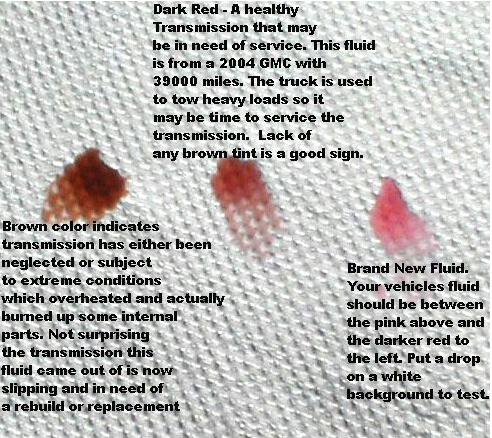
3. Pull the engine oil and transmission fluid dipsticks and differential plug. If the fluid appears milky or diluted, is no longer its original color, or is light brown in color, then it is likely the pans contain water. Have your car repaired immediately. Driving the car with water present may damage the internal parts and require extensive overhaul or car repairs.

4. Check the air filter for water. If it is wet, replace the air filter and change the oil.

5. Check the undercarriage, bumpers, radiator area, and frame for mud, grass, dirt, debris, and rust. If any of these are present, have your used car washed and cleaned as soon as possible. Any mechanical repairs can be checked out by your trusted mechanic and get your new car back to its perfect condition.

6. Have the brake system checked by a professional. Water-logged brake systems are especially dangerous on slippery roads.

7. Check the exterior lights for moisture and water. Replace headlights and bulbs that contain water.

8. Finally, listen for abnormal noises while the engine is running. Make a note of where the noise is coming from and take the vehicle to a mechanic as soon as possible. Pay particular attention to the alternator, serpentine belt, starter, power steering unit, air conditioner, and wheel bearings. Check the suspension joints and lubricate as necessary. Many used car models are lubricated at the factory for life; however, these joints should be checked for rust as well.

By being “car care aware” and following these simple guidelines can help minimize potential damage to your new or used car. If you’d like a professional opinion on the matter, you know where to find me.

How Do New Car Warranties Work?

If you have been considering purchasing an automobile extended warranty for your new car or truck, there are some important things that you should know. If you are like most people you have spent quite a bit of money to purchase your a new or used car, and you may want to consider a automobile extended warranty to protect your investment.

When shopping for an automobile extended warranty, it’s important to have a full understanding how each warranty program works. While many warranty programs offer the same basic features, on closer examination you will find that the plans offered by each provider have significant differences.

One important thing to consider when purchasing any type of auto warranty plan, make ensure to select an automobile extended warranty program that not only covers unexpected mechanical breakdowns, but wear and tear as well. If you own an automobile extended warranty and your vehicle breaks down or needs repair, you will simply take your vehicle to an approved service center that accepts the warranty. They will repair your vehicle and file a claim with the warranty provider. Before taking your car to the garage, it is important to remember that many automobile extended warranty plans require you to pay a deductible.

By purchasing an automobile extended warranty from a reputable company, you can guarantee that your auto warranty will be accepted at more repair facilities around the country. Your warranty provider can provide you with a list of locations where you can take your vehicle repaired in the event of a breakdown. Some plans will even pay the cost of having your vehicle towed if cannot be driven.

It’s essential that you fully understand all the terms and conditions of your warranty before signing anything.

There are a number of automobile extended warranty providers in the marketplace. Your options include brick and mortar providers, or you can purchase your warranty online! If you have questions about the plan, there are toll-free numbers you can call where you can speak to a representative, or you can correspond via email.

Ted Approves of the Extended Warranty

As with any major purchase, it is important for anyone seeking an extended warranty for their new car to obtain as much information as possible. Compare different companies and plans to make sure you’re getting the absolute best plan at the best price. Choosing the right plan from the right company can save you a lot of time, trouble, and money!

IF you have any questions or comments, leave them here. Or you can come and see me!

The Easy Way to Change the Transmission Fluid in your New car

Do you know how to change your transmission fluid?

This is a good test.

Do you know what transmission fluid even is? Kidding, I know you know. You are obviously car savvy and of above average intelligence, or you wouldn’t be visiting ITDSWO (I’m trying to make it a new car catch phrase).

Here’s a great step by step video on how to check and change your new car’s transmission fluid.

httpv://www.youtube.com/watch?v=REZcXMpnADc

If you think you’d like a little more assistance, we’d be happy to help you out.

Change the Oil In your New Car Yourself

It’s easier than you think.

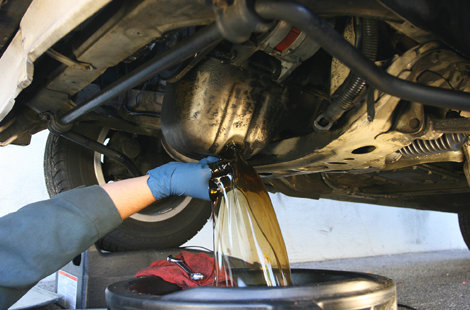
Ya know, it’s always good to learn about the technical stuff when it comes to your new car. Now, I’m not talking about learning how to rebuild a carburetor while hanging upside down and blindfolded. I’m talking about knowing enough about your vehicle that when your mechanics as what kind of oil you’d like in your new car you don’t say “Olive.”

Watch and Learn:

httpv://www.youtube.com/watch?v=nng2Ey3z8to

Now if you still think it’s too much to handle or you just don’t want to deal with the mess, swing by and I’ll give you a good deal on an oil change.

Aw Man! My New Car’s Windshield has a Ding in it!

Don’t let it ruin your view!

Face it folks, it’s gonna happen. Your new car’s windshield is going to be smacked with something that will turn that pristine windshield into a blemished, annoying problem. Now before you blow a gasket, a ding…even a crack is something that can be fixed relatively easily. Two ways, you can run by your favorite auto parts store or you can call a professional

Even if your windshield cracks, it doesn’t mean that it is going to fall out as you drive. Windshields are really a high-strength mix of tempered safety glass and clear plastic. The plastic is sandwiched between two layers of glass. This means that your crack would need to break through three layers in order to have your windshield actually fall out—a very unlikely scenario…well, maybe not in Dallas.

Here’s a “Do it Yourself Video”:

If you need help with your windshield you can always give us a call…even better, leave me a comment!

The Potential Danger of Rubber Mats in your New Car

This is a potentially dangerous problem.

Can All-Weather Rubber car mats be a danger in your new car? The simple answer is, “Yes.”

Even the most conscientious drivers could find that they are in danger as a result of something that should be protecting their car. All weather car mats are great for keeping dirt off of the carpets and they can still be used, a simple measure can ensure that you remain safe while your carpets remain clean.

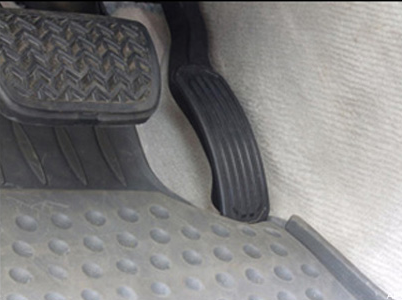
The infamous, “sticky gas pedal” might not be as infamous as we thought. In many, many cases, new cars which were reported to have sticky pedals had in fact simply been trapped underneath all weather rubber car mats. The advice is, that if you intend to use rubber new car mats you must first remove the new car’s factory carpet mats, as stacking them can obstruct the pedals. This advice is relevant to any car make and model.

Pedal entrapment may also occur if the new car’s mats are not correctly fitted. Universal new car mats are prone to slipping and sliding and gathering which is a serious hazard. It is always advisable to buy tailored car mats from a reputable car mat manufacturer who can precisely cut the mats into the right shape for your car model.

If you have any questions about the safety of your new car’s floor mats, swing by and we’ll take a look at them.